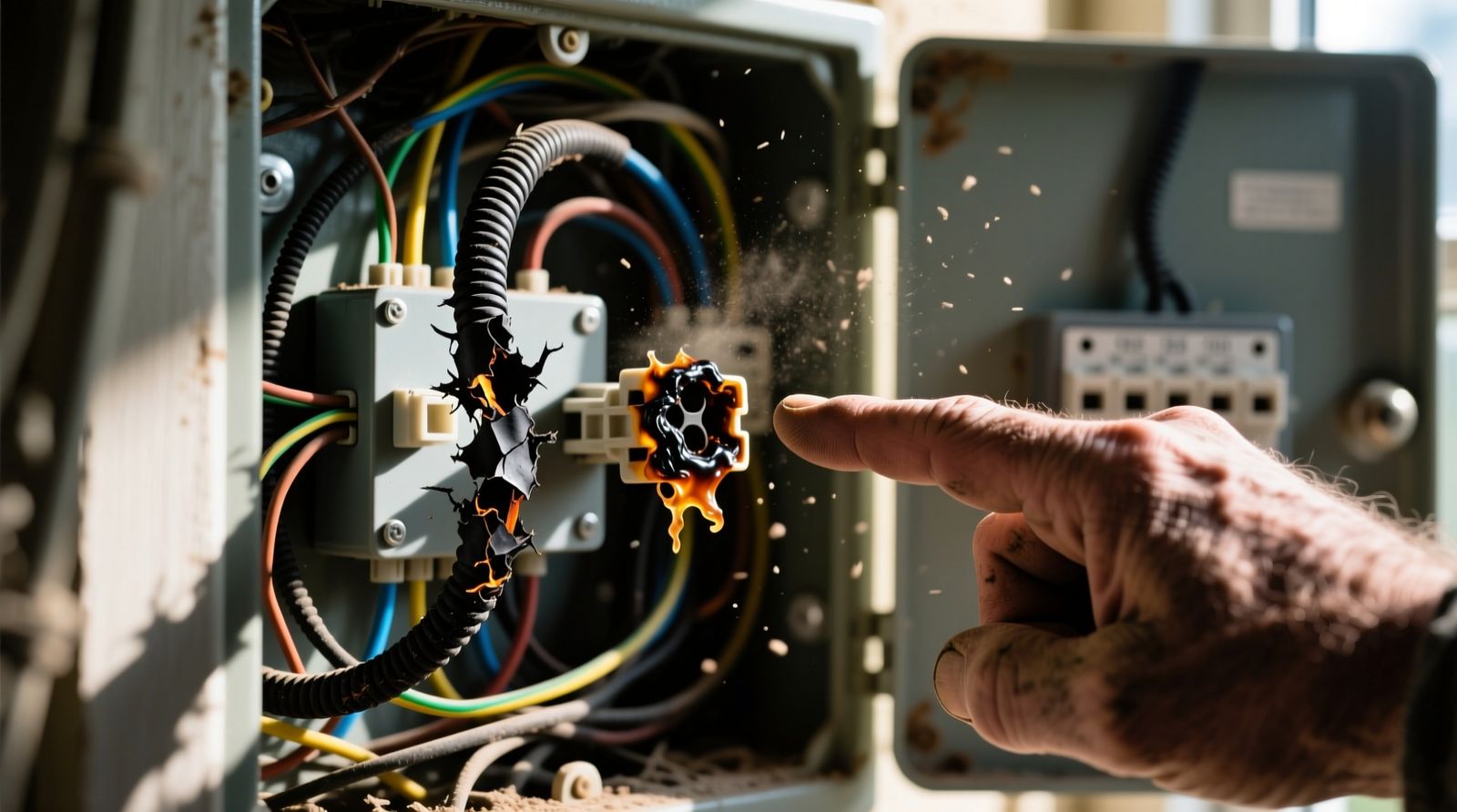
5 Red Flags That Mean You Should Fire Your Electrician Today
Electrical work is one of the few home projects where a mistake doesn't just cost you money — it can start a fire, cause a shock, or leave a code violation buried behind your drywall for the next decade. Most homeowners hesitate to fire a contractor mid-project because it feels disruptive and awkward. But some warning signs aren't worth waiting out. Here are five that mean it's time to end the relationship immediately, not after "one more chance."
1. They Can't (or Won't) Show You a Valid License
Every state has different licensing requirements for electrical work, but the common thread is simple: a legitimate electrician can produce a license number on request, and that number checks out against your state's licensing board. If your electrician gets vague, says "I'm working under someone else's license," or simply changes the subject when you ask, stop the work.
This isn't a technicality. An unlicensed person doing electrical work in your home can void your homeowner's insurance coverage for related damage, and it removes the accountability structure that licensing exists to provide. If something goes wrong, there's no board to file a complaint with and no guarantee the work meets code.
2. They Skip the Permit and Inspection Process
Permits exist so that a third party — your local building department — checks the work independently of the person who did it. When an electrician suggests skipping the permit "to save time and money," they're not doing you a favor. They're removing the one external check that would catch a mistake before it becomes a hazard behind a wall.
This matters even more when it comes time to sell your home. Unpermitted electrical work is a common finding in home inspections, and it can delay closings, trigger renegotiations, or require the work to be redone entirely to code.
3. Their Answers About Safety Get Defensive Instead of Direct
Ask any legitimate electrician about grounding, arc-fault protection, or why they're routing a circuit a certain way, and they should be able to explain it in plain language. Defensiveness, irritation, or a flat "just trust me" in response to a safety question is a red flag — not because every good electrician is a great communicator, but because dodging a direct safety question, especially in your own home, suggests they don't want you looking closely at the decision.
This is the same instinct behind the direct verification question we cover in the background check question that exposes bad contractors instantly — a legitimate professional doesn't flinch when asked to explain or prove something.
4. The Reviews Don't Match What You're Seeing
If an electrician's online reviews describe punctuality, clean work, and clear communication, but your actual experience is missed appointments, exposed wiring left overnight, or vague answers about scope — that mismatch is worth taking seriously. It can mean the reviews aren't representative of current work quality, or in worse cases, that they were never tied to real completed jobs at all.
Fake or unrepresentative reviews are common enough that it's worth learning to spot a fake five-star review before you sign a contract, not after work has already started.
5. Costs Keep Changing Without a Clear Reason
Some scope changes are legitimate — an electrician opens a wall and finds outdated wiring nobody could have predicted. But a pattern of surprise charges, vague explanations for cost increases, or resistance to putting new costs in writing is a different problem entirely. A professional who's confident in their work explains cost changes clearly and documents them. One who isn't may be padding the bill, hoping you won't push back mid-project.
What to Do the Moment You See These Signs
- Stop the work immediately if there's an active safety concern — don't wait for a "good stopping point."
- Document everything — photos of the work, copies of quotes, and written communication.
- Get a second opinion from another licensed, verified electrician before deciding what needs to be redone.
- Report unlicensed or unpermitted work to your local licensing board if applicable — this protects the next homeowner too.
- Hire your replacement through a network that verifies before the first job lead, not after a bad experience forces you to start vetting from scratch.
Why Prevention Beats a Mid-Project Fire
Firing a contractor mid-project is disruptive, but it's far less costly than living with electrical work you can't trust. The better fix is avoiding the situation altogether by vetting thoroughly before hiring — checking license status, confirming verification, and comparing more than just the quote. We go deeper on that comparison in why "cheapest quote" is the most expensive mistake homeowners make.
Platforms built around verification remove much of this risk before it starts. On ProDone, electricians go through background checks and license validation before they're able to accept job leads at all, so the red flags above are far less likely to surface in the first place.
FAQ
Q: Can I fire an electrician mid-project without paying for unfinished work? A: You generally owe payment for completed, code-compliant work, but you're not obligated to pay for work that's incomplete, unsafe, or not yet started. Review your contract terms and consider getting a second opinion on what's actually been completed to code.
Q: What if I've already paid a deposit? A: Document the safety issue or red flag in writing, and consult your contract for cancellation terms. Many states have consumer protection rules around contractor deposits and unfinished work.
Q: How do I find a replacement electrician quickly without repeating the same mistake? A: Prioritize verified professionals on a platform where background checks and license validation already happened, rather than starting your search from an open directory with no vetting.
Q: Is it normal for electrical costs to change once work starts? A: Some changes are legitimate when unexpected issues are found behind walls. The difference is whether the electrician explains and documents the change clearly, or simply raises the price without justification.
Q: Should I report a bad electrician even if the work turned out okay? A: If they were unlicensed, skipped permits, or violated safety codes, reporting protects future homeowners even if your particular outcome wasn't catastrophic.
Bottom Line
None of these five red flags are things to "wait and see" about. Electrical work carries real safety stakes, and a contractor who dodges licensing questions, skips permits, gets defensive about safety, has reviews that don't match reality, or can't explain cost changes has already told you what you need to know. Vet thoroughly before hiring, and lean on verified networks like ProDone to make sure you're not the one doing the background check yourself after something's already gone wrong.